

Unlocking the Secrets of Vehicle Repair: A Hands-On Approach for Every Car Enthusiast
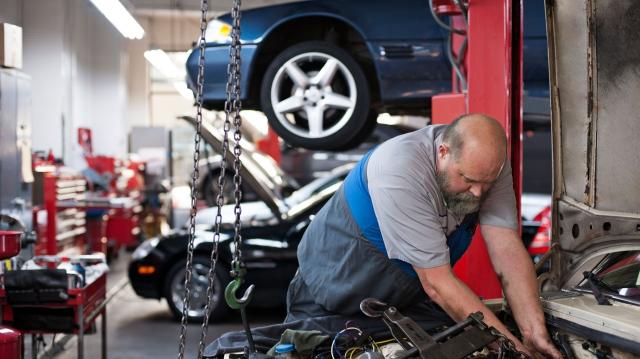
For car enthusiasts, the ability to repair and maintain their own vehicles is both a valuable skill and a rewarding hobby. Delving into the mechanics of your car not only saves money but also gives you a deeper understanding and appreciation of how your vehicle operates. To embark on this hands-on journey, one essential resource stands out automotive workshop manuals. These comprehensive guides provide step-by-step instructions and detailed diagrams that can turn even a novice into a competent mechanic.
The Power of Automotive Workshop Manuals
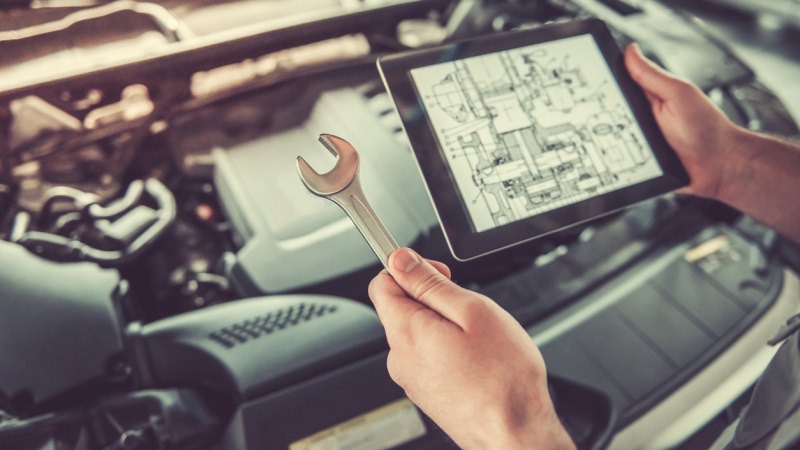
Automotive workshop manuals are indispensable for anyone serious about vehicle repair. These manuals cover every aspect of a car's systems, from basic maintenance tasks to complex repairs. With clear, concise instructions and detailed illustrations, they demystify the process of car repair. Whether you need to change your oil, replace brake pads, or diagnose an engine problem, an automotive workshop manual provides the guidance you need to perform these tasks accurately and efficiently. Having one tailored to your specific vehicle model ensures you have the exact information necessary for any repair job.
Essential Tools for the DIY Mechanic
Before you start any repair job, it's crucial to have the right tools at your disposal. Here are some must-have tools for every DIY mechanic:
- Socket and Wrench Sets: These are essential for loosening and tightening bolts and nuts.
- Screwdrivers: A variety of screwdrivers are needed for different types of screws.
- Pliers and Wire Cutters: Useful for handling various tasks, especially when working with electrical components.
- Jack and Jack Stands: Necessary for safely lifting and securing your vehicle.
- Multimeter: Vital for diagnosing electrical issues and ensuring your vehicle's electrical system is functioning properly.
Having these tools on hand will make your vehicle repair tasks more efficient and less frustrating.
Regular Maintenance: The Cornerstone of Vehicle Longevity

Regular maintenance is key to keeping your vehicle running smoothly and extending its lifespan. Here are some essential maintenance tasks that every car owner should prioritize:
- Oil Changes: Regularly changing your oil and oil filter, typically every 3,000 to 5,000 miles, ensures your engine runs smoothly.
- Brake Inspections: Frequently check your brake pads and rotors for wear and replace them as needed to maintain optimal braking performance.
- Tire Maintenance: Rotate your tires every 6,000 to 8,000 miles and keep them properly inflated to extend their lifespan and improve fuel efficiency.
- Fluid Checks: Regularly check and top off essential fluids, including coolant, transmission fluid, and brake fluid, to ensure your car operates smoothly.
Sticking to a regular maintenance schedule can prevent minor issues from escalating into major, costly repairs.
Troubleshooting Common Vehicle Issues
Even with regular maintenance, car problems can still occur. Being able to troubleshoot common issues can save you time and money. Here are some tips for dealing with frequent vehicle problems:
- Engine Won't Start: Check the battery connections, fuel level, and starter motor. An automotive workshop manual can guide you through the troubleshooting process.
- Overheating: Inspect the coolant level, radiator, and thermostat. Ensure there are no leaks or blockages in the cooling system.
- Unusual Noises: Listen for any unusual sounds while driving and try to pinpoint their source. This could indicate issues with the suspension, brakes, or engine components.