

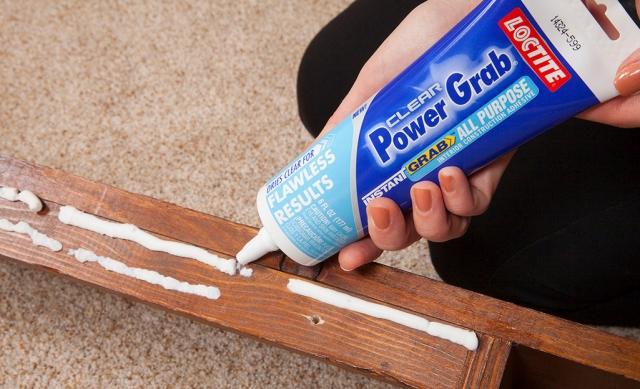
Construction adhesive glue is a powerful, multi-purpose product, essential for tackling various home and commercial projects. Known for its bonding strength and durability, this adhesive type can be applied to a variety of surfaces, offering a solid solution for both quick fixes and long-term projects. Whether you're a DIY enthusiast or a professional contractor, understanding how to best utilize construction adhesive glue can elevate the quality and longevity of your work.
1. Securing Flooring and Subfloors
One of the primary uses for construction adhesive is securing flooring. It's especially helpful for attaching subfloors to prevent squeaking and improve structural integrity. By applying construction adhesive glue between the subfloor and the floor joists, you can create a strong, durable bond that reduces noise and ensures stability. This approach is popular for hardwood, laminate, and even tile installations, as it helps create a smooth and even base.
2. Installing Paneling and Drywall
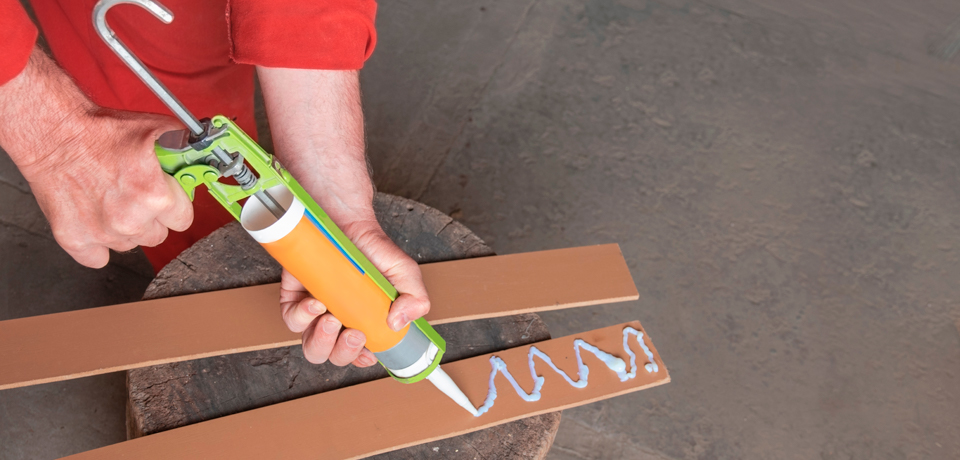
Construction adhesive is also a top choice for paneling and drywall installation. Using adhesive along with traditional screws or nails adds an extra layer of durability, preventing warping and minimizing the risk of future loosening. This technique is especially effective for high-traffic areas where walls may be subject to more movement or impact. Applying adhesive in addition to fasteners distributes the weight evenly across the panel, giving it added stability.
3. Securing Outdoor Features
For outdoor projects, construction adhesive glue can play a crucial role. It's commonly used for installing deck boards, railings, and even outdoor stone or brick features like garden walls. Many construction adhesives are waterproof and weather-resistant, making them suitable for exterior applications. The strong bond provided by adhesive can withstand temperature changes and moisture, which helps keep outdoor structures intact and durable over time.
4. Kitchen and Bathroom Applications
The kitchen and bathroom are areas that benefit from the moisture-resistant properties of construction adhesive. This adhesive works well for attaching countertops, backsplashes, and even sink fixtures. In these high-moisture environments, construction adhesive glue offers a reliable, long-lasting bond that resists water exposure, ensuring that installations remain secure and looking pristine.
5. Crafting Custom Woodworking and Furniture

Construction adhesive isn't limited to structural applications; it's also widely used in custom woodworking and furniture making. When building shelves, tables, or decorative moldings, adhesive provides a quick-drying, powerful bond for wood surfaces. It's especially beneficial for projects that involve small or intricate pieces, allowing woodworkers to assemble furniture without needing multiple fasteners.
6. Repairing Concrete and Masonry
When it comes to repairing concrete or masonry surfaces, construction adhesive is an ideal solution. Whether you're patching up cracks in a wall or attaching new pavers in a patio, construction adhesive glue ensures a sturdy bond that can withstand pressure and weight. Its strength and quick adhesion make it suitable for both small fixes and larger, structural repairs.
7. Quick Fixes and DIY Home Projects
Construction adhesive is perfect for quick fixes around the home. From repairing loose tiles to fixing broken furniture, having construction adhesive glue on hand allows homeowners to tackle minor issues before they escalate. Its fast-drying properties mean repairs are not only sturdy but also completed quickly, making it a must-have for any toolbox.
Conclusion: An Essential Tool for Home and Commercial Projects
With its versatility and strength, construction adhesive glue has become indispensable for both home DIYers and professionals. From flooring installations to outdoor structures and custom woodworking, construction adhesive is a reliable choice for creating durable, lasting bonds across various surfaces.