


Preventing sexual harassment is crucial in schools. Students need a safe environment to learn and grow. Engaging student voices is key to achieving this goal.
Why Student Voices Matter
Students experience the school environment daily. They see and hear things teachers might miss. Their insights can help identify issues early.
Understanding Harassment
Harassment is any unwanted behavior that makes someone feel uncomfortable. It can be verbal, physical, or online. It's important to stop it immediately.
Types Of Harassment
-
Verbal Harassment
-
Physical Harassment
-
Cyberbullying
Building Inclusivity
Inclusivity means everyone feels welcome and valued. It celebrates differences and promotes equality. Schools should strive to be inclusive.
Benefits Of Inclusivity
-
Better student engagement
-
Higher academic achievement
-
Stronger community bonds
Ways to Engage Student Voices
Student Councils
Student councils give students a platform to voice their concerns. They can suggest ways to make the school safer and more inclusive.
Anonymous Surveys
Surveys allow students to share their thoughts without fear. They can highlight problems and suggest solutions.
Peer Mentoring
Older students can mentor younger ones. They can help them understand the importance of respect and inclusivity.
Workshops And Assemblies
Workshops and assemblies can educate students about harassment and inclusivity. They can learn how to support each other.
Inclusive Policies
Schools should have clear policies against harassment. These policies should be communicated to all students.
Role of Teachers and Staff
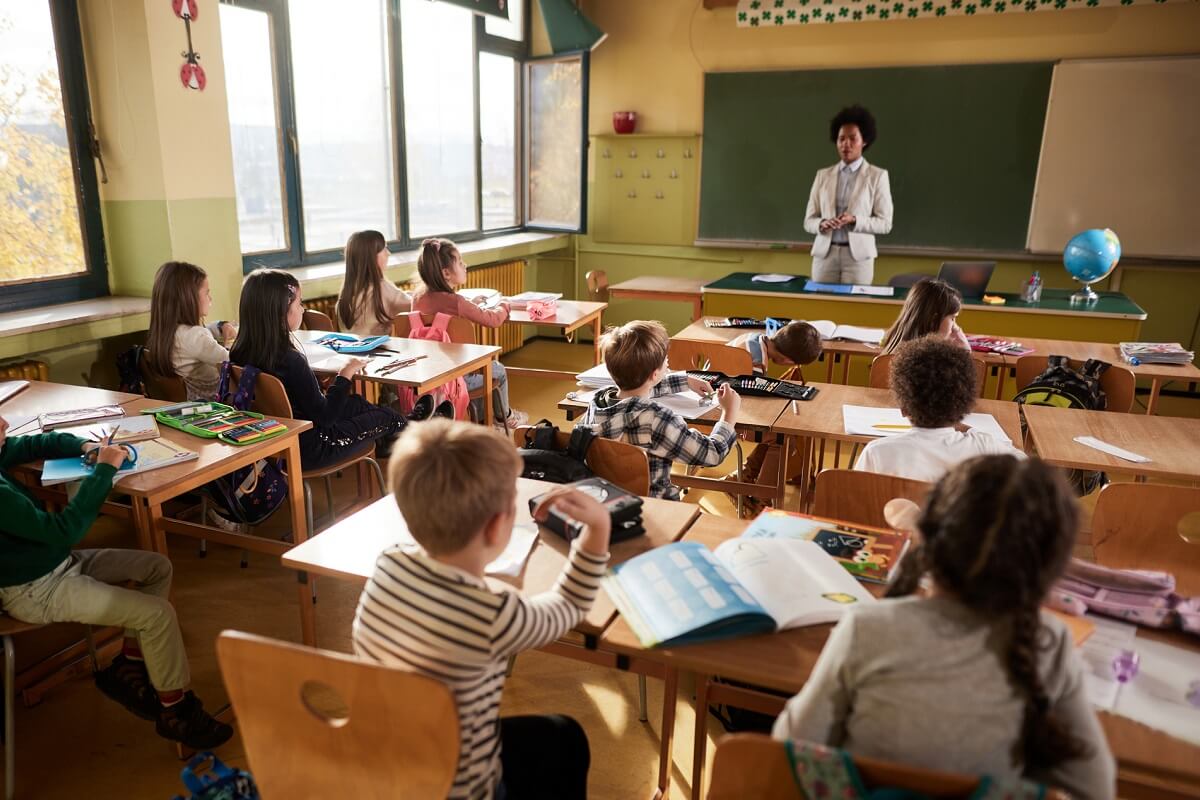
Teachers and staff play a crucial role in preventing harassment. They should listen to students and take their concerns seriously.
Training For Teachers
Teachers should receive training on how to handle harassment cases. They should know the signs and how to intervene.
Open Communication
Encourage open communication between students and teachers. Students should feel comfortable reporting any issues.
Creating a Safe Environment
A safe environment is essential for learning. Schools should take steps to ensure all students feel safe and respected.
Clear Reporting Procedures
Students should know how to report harassment. The process should be easy and confidential.
Support Systems
Schools should have support systems in place. Counselors and peer support groups can help students who have experienced harassment.
Regular Assessments
Regular assessments can help identify areas for improvement. Schools should continuously work to enhance safety and inclusivity.
Conclusion
Engaging student voices is vital to preventing harassment and building inclusivity. When students feel heard, they are more likely to thrive. Schools should create platforms for students to share their thoughts and ideas. By working together, we can create a safe and inclusive environment for all.