


The field of regenerative medicine is experiencing a paradigm shift, with stem cells at the forefront of medical breakthroughs. Known for their unique ability to transform into various cell types, stem cells offer promising avenues for healing damaged tissues and organs. This revolution is not just about replacing lost cells—it's about revitalizing the entire approach to health and chronic disease management.
Understanding Stem Cells
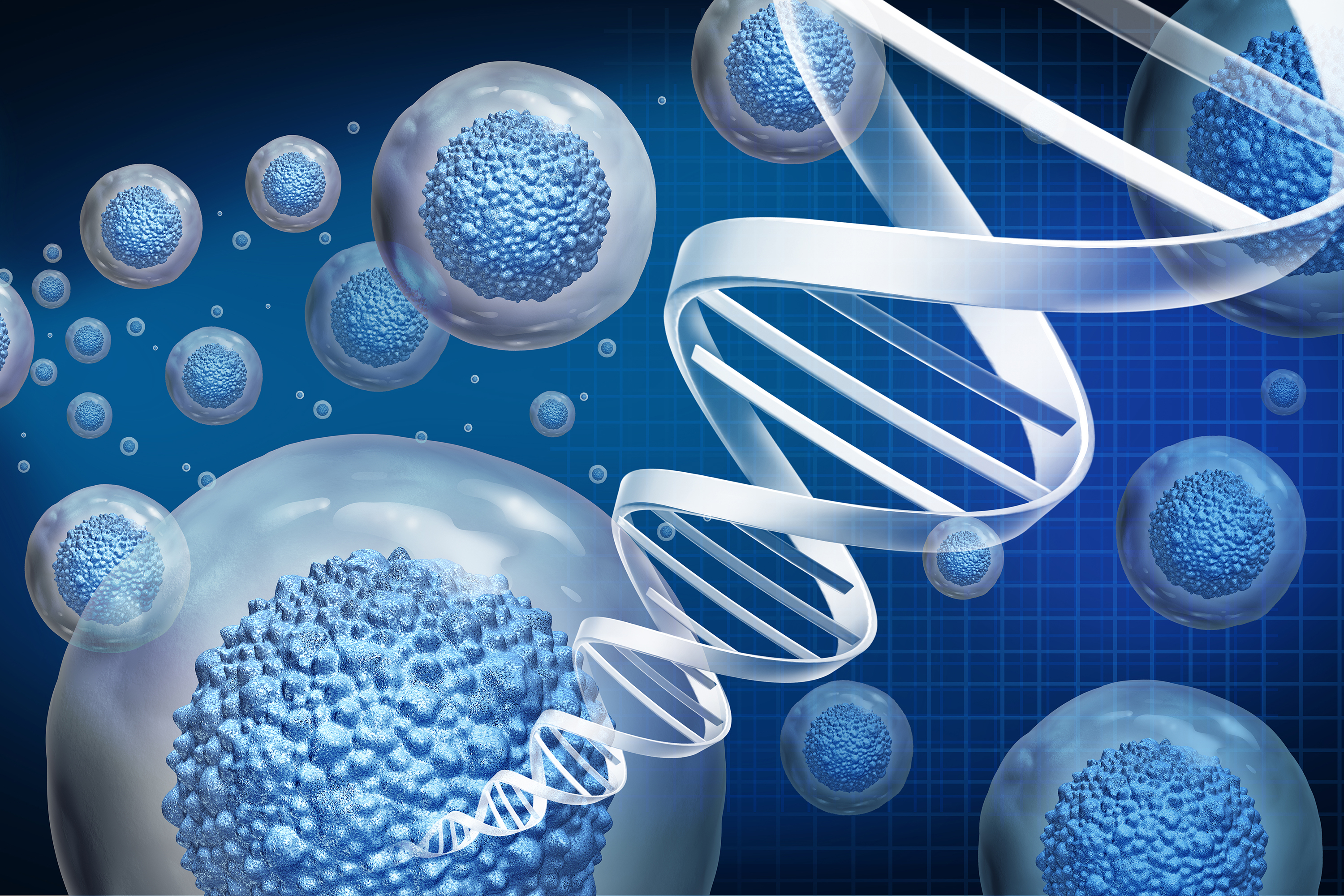
Stem cells are the body's raw materials—cells that have the potential to develop into many different cell types during early life and growth. They serve as a repair system for the body, replenishing tissues and supporting healing. There are two main types: embryonic stem cells, which have the potential to form every cell type, and adult stem cells, which are more limited but still critical in maintaining and repairing tissues. Research continues to explore how these cells can be harnessed safely and effectively, fueling hope for conditions that were once deemed untreatable.
Advances in Regenerative Medicine
Recent advancements in regenerative medicine have accelerated the transition of stem cell research from the laboratory to clinical applications. Innovative techniques, such as induced pluripotent stem cell (iPSC) technology, allow scientists to reprogram adult cells into a pluripotent state. This breakthrough provides a nearly limitless source of cells for research and therapy without the ethical challenges associated with embryonic stem cells. Additionally, clinical trials investigating stem cell therapies for heart disease, neurodegenerative disorders, and joint degeneration have demonstrated encouraging results. These trials are not only paving the way for new treatments but are also refining protocols to ensure safety and long-term benefits for patients.
Challenges and Ethical Considerations

Despite the optimism, the stem cell revolution faces significant challenges. One of the primary hurdles is ensuring that stem cell therapies are safe, effective, and free from complications such as immune rejection or tumor formation. Regulatory agencies across the globe are working diligently to establish robust guidelines to monitor and evaluate these innovative treatments. Ethical concerns also persist, particularly in the area of embryonic stem cell research. However, the advent of iPSC technology has alleviated some of these issues by providing an alternative source that circumvents ethical dilemmas while still offering substantial therapeutic potential.
The Road Ahead: Embracing a Healthier Future
As researchers and clinicians continue to explore the full potential of stem cells, the future of medicine looks increasingly transformative. The integration of stem cell therapies into mainstream treatment protocols could redefine how we approach degenerative diseases, trauma recovery, and even aging. Collaborations among scientists, regulatory bodies, and medical professionals are essential to translate these promising discoveries into accessible treatments. The ongoing commitment to ethical practices and patient safety will be crucial in nurturing this burgeoning field. With continued innovation and responsible stewardship, the stem cell revolution stands to not only extend life but also enhance its quality, offering new hope to millions worldwide.
In conclusion, the stem cell revolution is a beacon of progress in modern medicine. As we embrace these emerging therapies, we move closer to a future where chronic diseases and injuries are no longer insurmountable obstacles but opportunities for renewal and revitalization.