

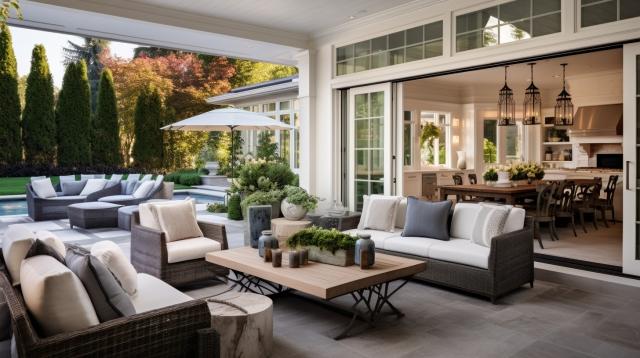
Imagine your home being one with nature. You can achieve this by creating seamless transitions between indoor and outdoor spaces. This can be done with a few simple ideas and materials. For example, using a spigot glass railing can create a clear view of your garden. This way, it feels like your living room extends into your backyard.
Transitioning between indoor and outdoor spaces is important. It can make your home feel bigger and more open. It also helps you enjoy nature more. Here are some tips to help you create a seamless transition.
Use Large Windows and Doors
Large windows and doors can create a strong connection between indoors and outdoors. They allow plenty of natural light into your home. They also provide great views of your garden or patio.
Sliding glass doors are a great option. They can be opened fully to merge your indoor and outdoor spaces. Another option is bi-fold doors. These doors can fold away completely, making the transition even smoother.
Choose Matching Flooring
Using the same flooring indoors and outdoors can help create a seamless transition. For example, you can use tiles or wood that look the same. This can make your indoor and outdoor spaces feel like one.
Make sure the flooring is suitable for both indoor and outdoor use. Some materials may not work well in wet or cold conditions. Choose a durable material that can handle different weather.
Create an Outdoor Living Area
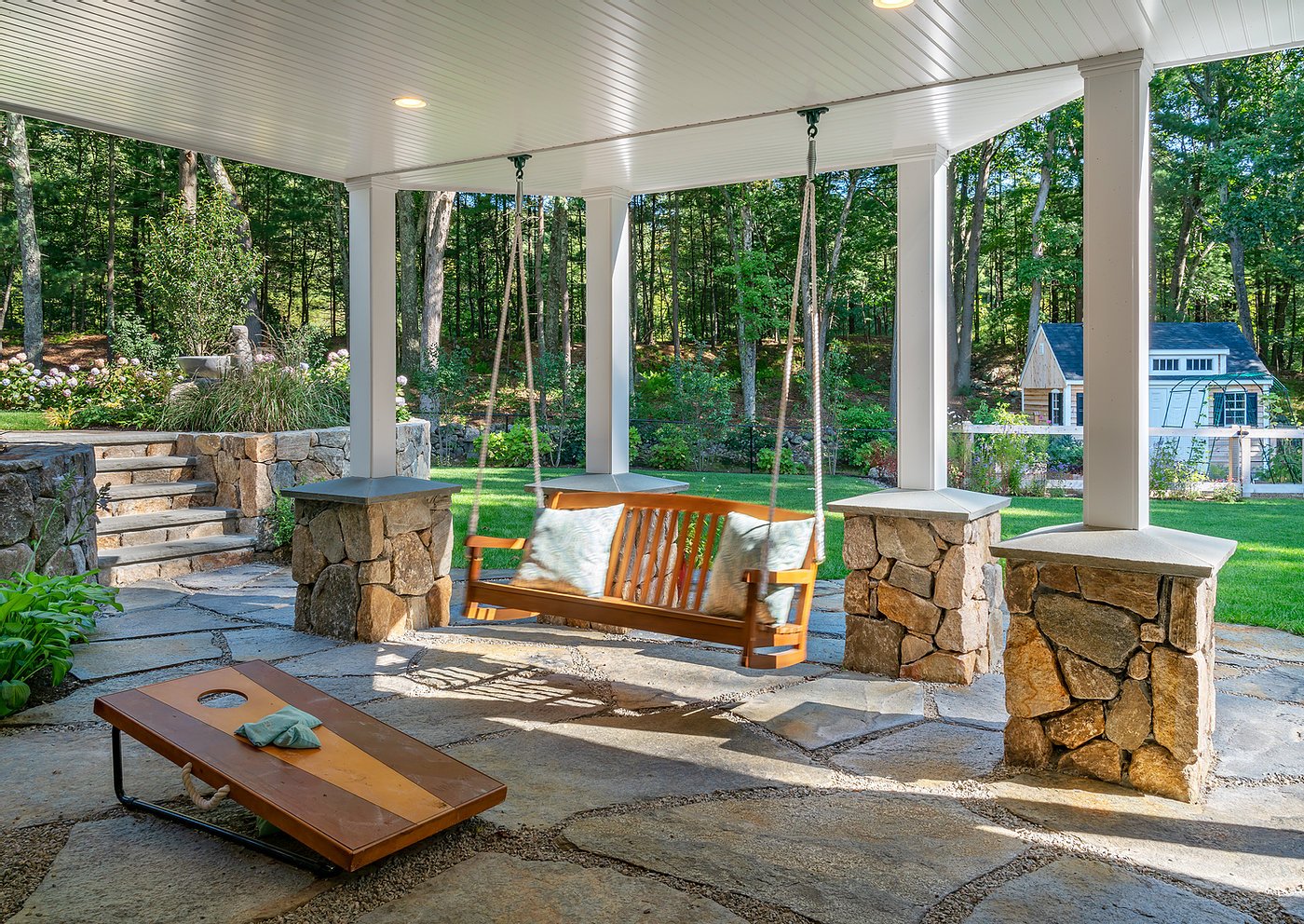
An outdoor living area can help blend indoor and outdoor spaces. You can create a comfortable seating area with sofas and chairs. Add a table for dining or playing games. This can make your outdoor space feel like an extension of your home.
To make it even more comfortable, add some cushions and blankets. This will make your outdoor living area cozy. You can also add a rug to make it feel more like an indoor space.
Use Similar Colors and Decor
Using similar colors and decor indoors and outdoors can create a seamless transition. Choose a color scheme that works well in both spaces. This can help tie everything together.
For example, if you have a blue sofa indoors, use blue cushions outdoors. This will make the spaces feel connected. You can also use similar plants and decorations in both areas.
Add Plants and Greenery
Plants can help create a smooth transition between indoor and outdoor spaces. Add some potted plants indoors to bring a touch of nature inside. You can also use hanging plants or plant shelves.
Outside, you can create a garden or add more potted plants. This will make your outdoor space feel like an extension of your indoor space.
Install Outdoor Lighting
Outdoor lighting can help create a seamless transition between indoor and outdoor spaces. Use similar lighting fixtures indoors and outdoors. This will create a consistent look.
You can use string lights, lanterns, or wall-mounted lights. These will make your outdoor space feel cozy and inviting. They can also help you enjoy your outdoor space in the evening.
Use Outdoor Rugs and Curtains
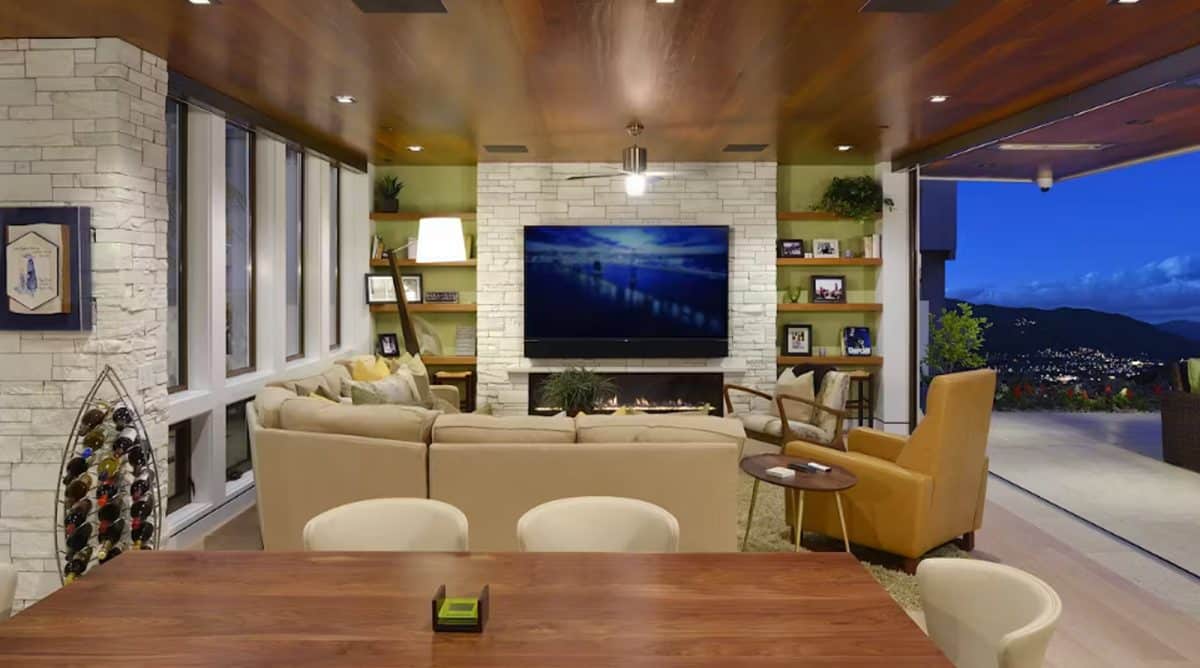
Outdoor rugs and curtains can help create a smooth transition between indoor and outdoor spaces. Use similar rugs and curtains indoors and outdoors. This will create a cohesive look.
Outdoor rugs can make your patio or deck feel more like an indoor space. They can add color and texture to your outdoor area. Outdoor curtains can provide privacy and shade. They can also make your outdoor space feel more like a room.
Create a Covered Patio or Deck
A covered patio or deck can help create a seamless transition between indoor and outdoor spaces. It can provide shelter from the sun and rain. This will make your outdoor space more usable.
You can add a roof, pergola, or awning to cover your patio or deck. This will create a cozy, shaded area. You can also add outdoor furniture to make the space more comfortable.
Use Outdoor Kitchens and Dining Areas
An outdoor kitchen or dining area can help blend indoor and outdoor spaces. You can cook and eat outside, making your outdoor space more functional.
You can add a grill, sink, and counter space for cooking. You can also add a dining table and chairs for eating. This will make your outdoor space feel like an extension of your indoor kitchen and dining area.
Incorporate Water Features
Water features can help create a seamless transition between indoor and outdoor spaces. They can add a calming and relaxing element to your outdoor area.
You can add a small fountain, pond, or waterfall. These features can create a soothing sound and make your outdoor space feel more inviting.
Use Outdoor Art and Decor
Outdoor art and decor can help create a smooth transition between indoor and outdoor spaces. You can use sculptures, wall art, and other decorations to add personality to your outdoor area.
Choose art and decor that matches your indoor style. This will create a cohesive look and make your outdoor space feel like an extension of your home.
Keep It Simple
Creating a seamless transition between indoor and outdoor spaces does not have to be complicated. Keep it simple and focus on a few key elements. This will make the process easier and more enjoyable.
Start with one or two ideas from this list. As you get more comfortable, you can add more elements. This will help you create a beautiful and functional indoor-outdoor space.
Conclusion
Creating seamless transitions in indoor-outdoor spaces can improve your home. It can make your home feel bigger and more open. It can also help you connect with nature.
Use these tips and ideas to create a beautiful and functional indoor-outdoor space. Remember to keep it simple and focus on a few key elements. This will make the process easier and more enjoyable.
With a little effort, you can create a seamless transition between your indoor and outdoor spaces. This will make your home a more enjoyable place to live.