

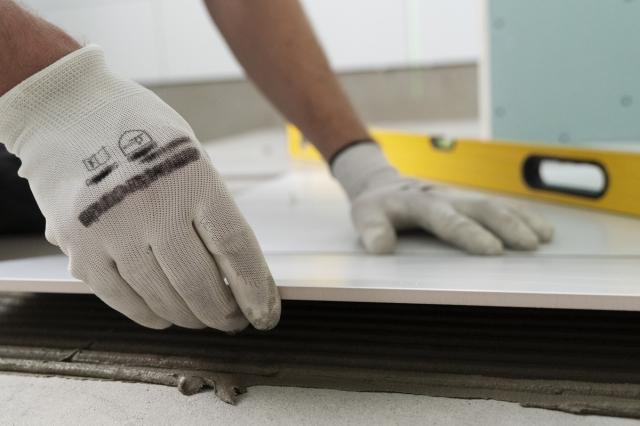
Are you ready to start a construction or DIY project? Tackling tough surfaces can be a challenge. But with the right tips, you can succeed. Here, we will explore the best ways to handle these tough tasks. Let's start with the basics. One of the essential tools you will need is construction adhesive glue. This glue is perfect for bonding different surfaces. It is strong and durable. Now, let's dive into more tips!
1. Understand the Surface
The first step in any project is understanding the surface. Is it wood, metal, or concrete? Each surface has unique properties. Knowing these properties helps you choose the right tools and materials. For example, wood is softer than metal. This means you need different tools for each.
2. Choose the Right Tools
Having the right tools makes the job easier. Here are some common tools you might need:
-
Hammer: Great for nails and small adjustments.
-
Drill: Perfect for making holes in tough surfaces.
-
Saw: Useful for cutting wood and other materials.
-
Construction Adhesive Glue: Bonds surfaces together strongly.
3. Use Quality Materials
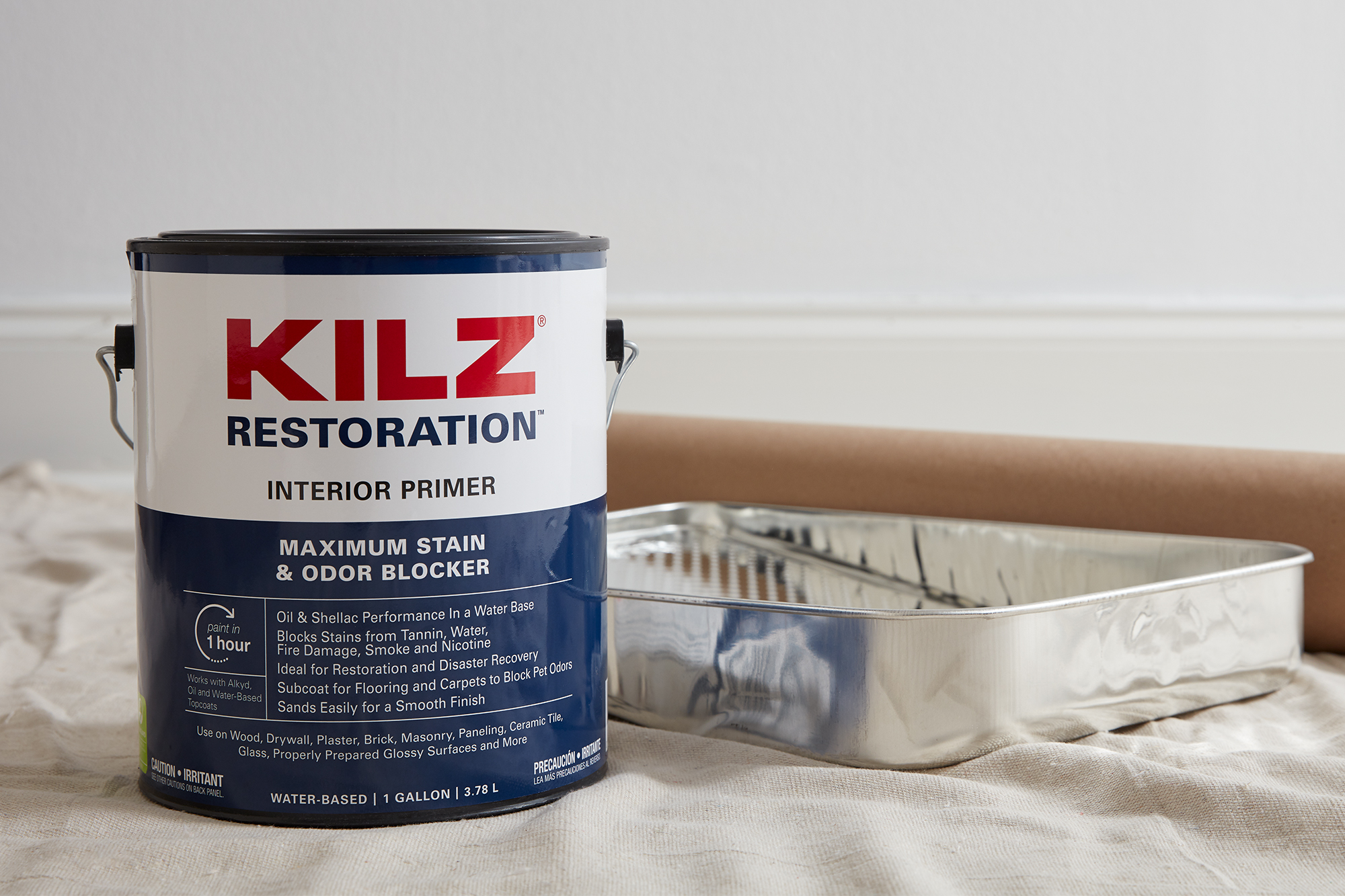
Quality materials make a difference. Cheap materials may not last long. Invest in good quality items. This ensures your project is durable and looks great. For example, use high-quality paint for a smooth finish. Choose strong nails and screws for better support.
4. Prepare the Surface
Preparation is key. Clean the surface before starting. Remove any dirt, dust, or grease. This helps the materials stick better. For example, if you are painting, use a primer first. This prepares the surface and makes the paint last longer.
5. Follow Safety Measures
Safety is important in any project. Always wear safety gear. This includes gloves, goggles, and a helmet. Keep your workspace clean and organized. This prevents accidents. Follow the instructions on tools and materials carefully.
6. Use the Right Adhesive
Adhesives are crucial in construction and DIY. Construction adhesive glue is versatile. It works on many surfaces. But, choose the right type for your project. Here are some common adhesives:
|
Adhesive Type |
Best For |
|---|---|
|
Epoxy |
Metal and plastic |
|
Wood Glue |
Wood projects |
|
Construction Adhesive Glue |
Various surfaces |

7. Practice Patience
Patience is essential. Rushing a project can lead to mistakes. Take your time. Follow each step carefully. This ensures a successful outcome. For example, let the adhesive dry completely. This creates a strong bond.
8. Seek Professional Help When Needed
Sometimes, you need expert advice. Don't hesitate to ask for help. Professionals have experience. They can offer valuable tips and solutions. For example, if you are unsure about a tool, ask an expert. This can save you time and effort.
9. Learn From Mistakes
Mistakes happen. Learn from them. Each mistake teaches you something new. Use this knowledge in future projects. For example, if a material doesn't work, try another. This improves your skills and results.
10. Stay Updated With New Techniques
Construction and DIY are always evolving. Stay updated with new techniques. Read books, watch videos, and attend workshops. This keeps you informed. For example, new tools can make a job easier. Learning about them can enhance your projects.
Conclusion
Tackling tough surfaces in construction and DIY is challenging. But with these tips, you can succeed. Remember to understand the surface, choose the right tools, and use quality materials. Prepare the surface, follow safety measures, and use the right adhesive. Practice patience, seek professional help, learn from mistakes, and stay updated. With these tips, your projects will be successful. Happy building!