

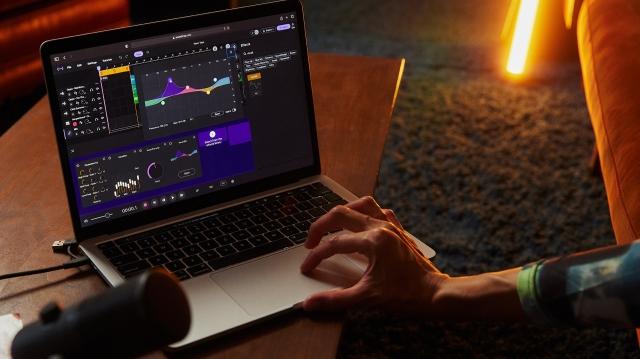
When it comes to producing professional-quality music, learning how to mix vocals is one of the most critical steps. Whether you're an aspiring music producer or a seasoned professional, vocal mixing can elevate the quality of your tracks, ensuring clarity, emotion, and engagement for your listeners. In this guide, we'll explore essential tips to help you refine your vocal mixing skills, unlocking the true potential of your sound.
Understanding the Basics of Vocal Mixing

Mixing vocals is about balancing elements in a track to create harmony. Whether working with instruments, background effects, or lead vocals, the primary goal is to make sure that every part complements the other. When learning how to mix vocals, the challenge lies in ensuring that vocals sound clear, natural, and sit perfectly within the mix.
Key factors to consider in vocal mixing include equalization (EQ), compression, reverb, and delay. Each element plays a role in shaping the vocals to match the mood and style of your song.
Tip 1: Start with a Clean Recording
The foundation of a great vocal mix is a clean recording. Even the most talented engineers can struggle to achieve a professional mix if the vocals are poorly recorded. Ensure the following for the best results:
- Use a high-quality microphone suited to the singer's voice.
- Record in a well-treated room to minimize noise and reflections.
- Aim for proper mic placement and optimal recording levels to avoid distortion or noise.
With a clean recording, you will find that the mixing process becomes much easier.
Tip 2: Use EQ to Shape the Sound
Equalization (EQ) allows you to fine-tune the frequencies of the vocal to sit well within the track. Start by cutting any unnecessary low frequencies that don't contribute to the vocal's clarity—this helps remove rumble and muddiness. Then, slightly boost mid and high frequencies to add presence and brightness to the vocal.
When learning how to mix vocals, remember to avoid over-boosting certain frequencies, as this can make the vocals sound unnatural. Subtle EQ adjustments can make all the difference in bringing out the best in the voice.
Tip 3: Apply Compression for Consistency

Vocals are naturally dynamic, with variations in volume that can sometimes overwhelm or get lost in the mix. Compression helps manage these dynamics by reducing the loudest parts and raising the quieter parts, resulting in a more consistent vocal performance.
When applying compression, aim for a smooth and natural sound. Set the threshold where the compressor activates on louder sections, and adjust the ratio to control how much compression is applied. Too much compression can squash the vocal and remove its natural character, so find the right balance.
Tip 4: Add Depth with Reverb and Delay
To give vocals depth and space, apply reverb and delay effects subtly. Reverb can simulate a live room or hall, giving the vocals a sense of space. Delay, on the other hand, creates echoes, adding an element of interest to specific vocal phrases.
When mixing, use these effects sparingly. Too much reverb can push the vocals too far back in the mix, while overuse of delay can create a cluttered sound. Instead, focus on enhancing the vocals while keeping them front and center.
Tip 5: Automate Volume for Dynamic Impact

Vocal automation is the process of adjusting the volume of specific sections to create more impact. For instance, you can subtly increase the volume on emotional high points of the song to emphasize intensity or reduce the level in quieter, more introspective moments.
Automation ensures that the vocal mix maintains energy and excitement, keeping listeners engaged throughout the track.
Conclusion: Keep Practicing Your Craft
Learning how to mix vocals is both an art and a science. It takes time and experimentation to develop your own mixing style, but with the right tools and techniques, you can achieve professional-quality results. By starting with a clean recording, applying EQ and compression strategically, and using effects like reverb and delay to add depth, you'll be well on your way to mastering the art of vocal mixing.
Remember, the more you practice, the more confident you'll become in your ability to perfect your sound.